Alcohol itself is categorized as a central nervous system depressant. When alcohol is ingested, the primary result is the body being unable to perform its responsibilities. This can be seen during periods of intoxication, when speech, walking, thinking, and many other functions are heavily affected. From a neurocognitive standpoint, alcohol significantly impacts many of the neurotransmitters (brain chemicals) that oversee our emotional well-being. Alcohol can also affect the areas of a https://ecosoberhouse.com/ person’s brain that assist in regulating emotions. Commonly, a person might start drinking to forget what’s on their mind.
Does depression lead to alcohol use disorder (AUD)?
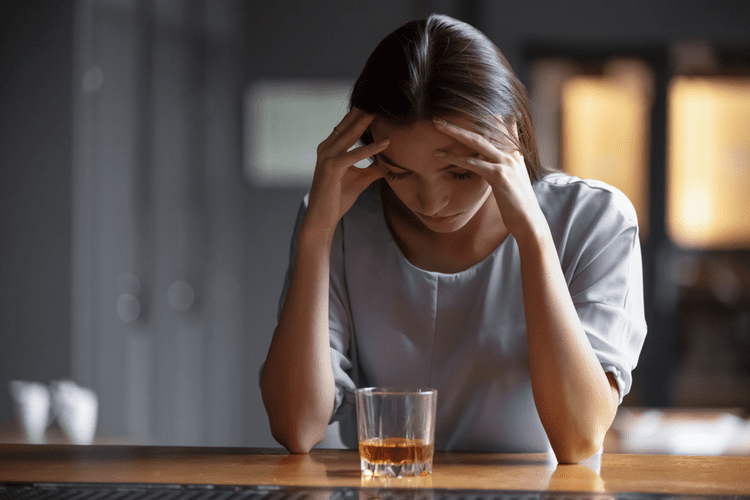
That creates a cycle that is difficult to break without professional help. Follow the links below to learn marijuana addiction more about getting help for alcohol addiction at 12 South Recovery. If you think alcohol makes you depressed, you have good reason to think so. When someone misusing alcohol injures or kills another person while intoxicated, the effects are devastating. Alcohol is ethanol created from the fermentation of sugars, grains, yeast, fruits, and vegetables. Because anything containing ethanol can alter the mind, it is considered a drug or substance of misuse.
Diagnosis
Dr. Hoffman is the Co-Founder and Chief Medical Officer of AddictionHelp.com and ensures the website’s medical content and messaging quality. Both Alcohol Use Disorder and Depression are fully treatable conditions. An individual suffering from one or both can recover fully and go on to lead a happy and productive life. In clinical settings, it usually refers to moderate to severe AUD.
Long-Term Impacts on Mental Health
- Yes, but it can also interfere with a person’s sleep-wake cycle and keep a person from receiving enough REM sleep.
- Feeling lonely and sad, he started drinking whiskey on weekends to chase away the loneliness.
- If an individual’s depressive symptoms are caused by alcohol use, the symptoms might stop after reducing their intake significantly, or altogether stopping their alcohol use.
- They understand that you must treat an alcohol use disorder and depression simultaneously for recovery.
- Drinking alcohol temporarily boosts serotonin levels, which can improve your mood in the moment.
Many people enjoy a drink after a long and stressful day, and there is no problem with occasionally indulging in a cocktail. Alcohol slows down the processes in your brain and might make you feel more relaxed. But don’t let this fool you into thinking that alcohol can actually help depression. If the pattern shows that alcohol makes you depressed, consider a brief period off alcohol with medical guidance if you are a heavy or daily drinker.
- This causes those with depression or underlying mental health issues to feel even worse.
- Approximately 280 million people, that’s 3.8% of the population, experience depression.
- Additionally, it’s important to note that the LGBTQ+ community has higher rates of alcohol abuse (as well as substance abuse overall) compared to our cisheterosexual counterparts.
- By following safe drinking guidelines, you can help reduce your risk for depression as well as other hangover symptoms.
- But this can also lead to a cycle of low mood followed by drinking.
Address negative feelings when they come up
- Improved executive functions, in turn, reinforce our adherence to exercise habits (30).
- Additionally, a person might receive other medications aimed to assist with abstinence from alcohol.
- MAOIs aren’t often prescribed because they’re an older class of antidepressants, but they’re still used in cases when newer options aren’t effective for some patients, Anand says.
- But for some people, these feelings don’t go away – they get worse and their feelings of depression can start to interfere with everyday life.
It describes tolerance and withdrawal in addition to harmful use. In modern practice, this falls under psychiatric and medical care. But for some people, these feelings don’t go away – they get worse and their feelings of depression can start to interfere with everyday life. That’s why your doctor or psychologist will work with you to create a does alcohol make depression worse treatment approach that addresses both issues. Individuals with alcohol use disorder often develop a physical dependency on alcohol.

Alcohol use disorders might be more widespread in individuals who also have depression. The actual development of depressive disorder and alcohol use disorder is related to a worse prognosis for both disorders and greater severity. Many treatments have been suggested to address depression and alcohol use disorder at the same time. In the following section, let’s talk about some approaches that help us regain control over our mental and emotional well-being. There can be many different negative mental and physical consequences of drinking alcohol.
Leave a Reply